# Curating Your First Designer Toy Collection: Sourcing, Display & IP Spotting
The designer toy market has evolved far beyond simple vinyl figures. Today, it sits at the intersection of street culture, contemporary art, and limited-edition craftsmanship. For both newcomers and seasoned collectors, building a meaningful shelf requires more than impulse purchases—it demands strategy, curation, and a sharp eye for authentic independent IPs.
## Start With the Story, Not the Hype
Every standout piece begins with a creator’s vision. Whether it’s a sculptural exploration of urban mythology or a character-driven resin figure, the real value lives in the narrative behind it. When evaluating a new release, look past the packaging. Research the artist’s background, their material choices, and the official production run. Numbered limited editions (typically under 500 units) consistently hold stronger long-term value than open-run mass market drops.
## Smart Sourcing & Authentication
Navigating secondary marketplaces can be tricky. To avoid counterfeits, prioritize direct-from-creator channels, verified independent storefronts, and established collector communities. Always verify official holograms, artist signatures, and consistent paint application. A reliable rule of thumb: if a so-called “limited” drop is widely available across dozens of generic retail sites, it’s likely not exclusive. Independent platforms and artist-direct newsletters remain the safest route for verified pieces.
## Display & Preservation Basics
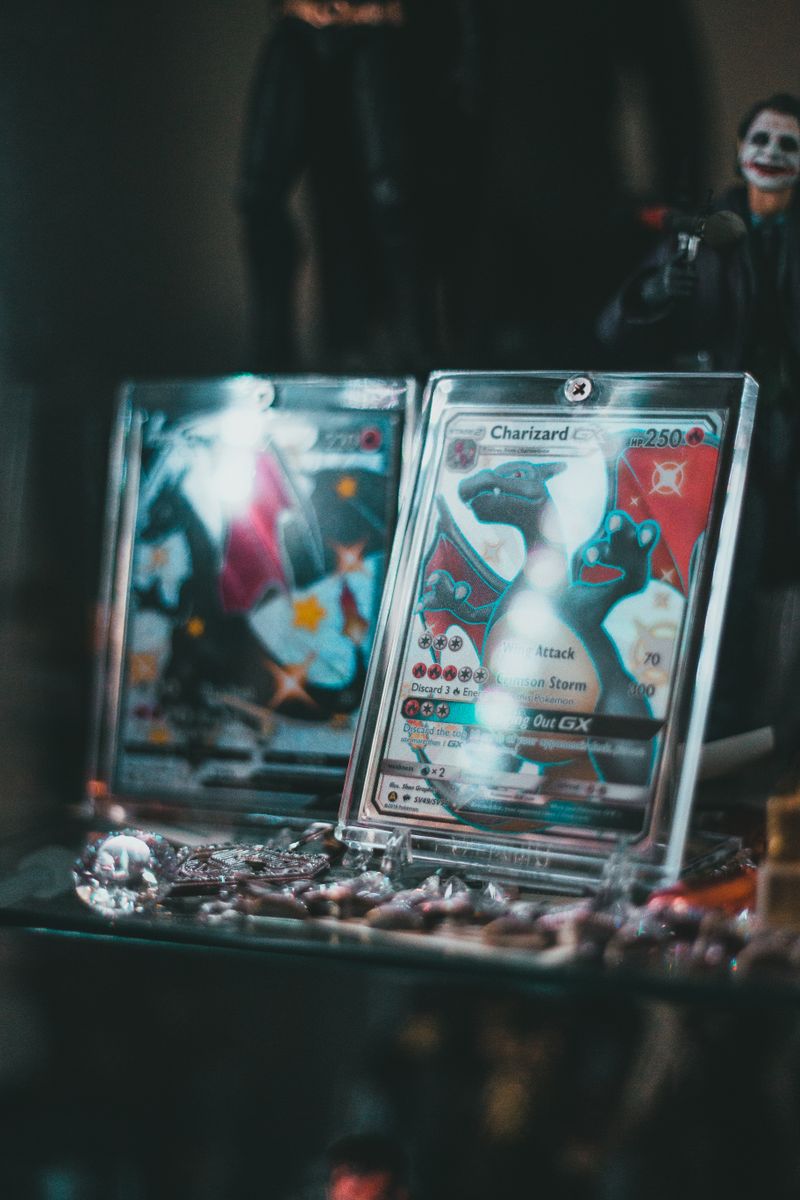
A well-curated collection isn’t just about what you buy—it’s how you protect it. Direct sunlight is the number one enemy of vinyl and resin, causing gradual yellowing and paint degradation. Use UV-filtering acrylic cases or closed glass cabinets. Keep figures on stable, dust-free surfaces, and avoid stacking heavy pieces. For long-term storage, acid-free tissue paper and climate-controlled environments will preserve both structural integrity and secondary market value.
## Building a Cohesive Theme
Random accumulation rarely leads to a standout display. Instead, pick a unifying thread: a specific artist, a recurring aesthetic, a thematic universe, or a consistent scale (e.g., 3-inch blind boxes versus 12-inch statement pieces). Rotate your display seasonally to keep it fresh, and document your acquisitions. Many serious collectors use dedicated tracking logs or community forums to record drop dates, provenance, and condition notes.
The designer toy scene thrives on community and exclusivity. By focusing on verified independent IPs, maintaining proper storage habits, and curating with intention, you’ll build a collection that reflects your personal taste while holding its ground in the broader art toy movement. For verified limited drops, artist-backed releases, and exclusive IP collections, following dedicated niche publications and independent storefronts ensures you never miss the pieces that truly define a shelf.
Leave a Reply